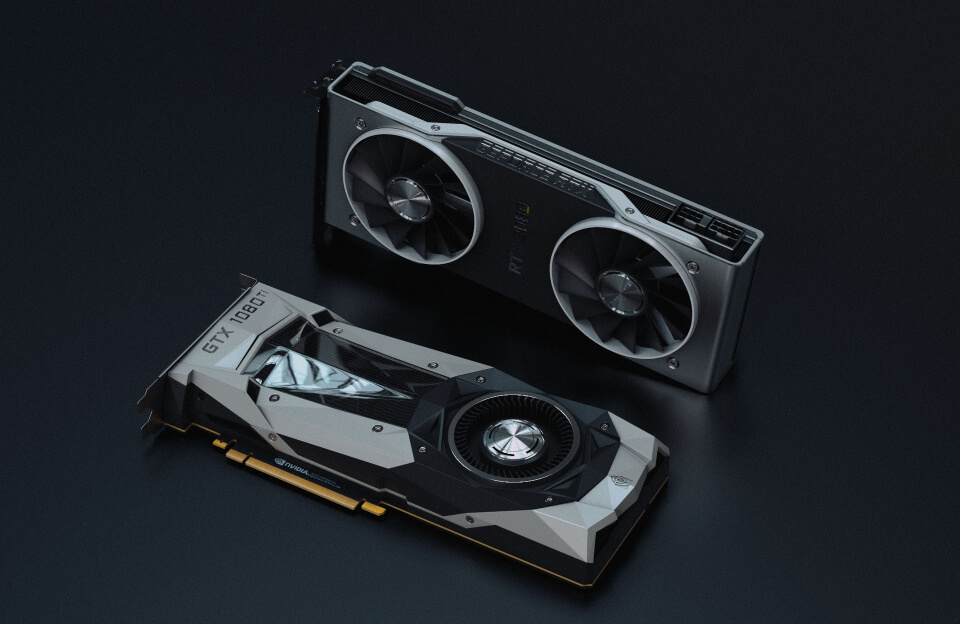
In a bold move that’s catching the eyes of the tech world, OpenAI and AMD have announced a multi-year strategic partnership in which AMD will supply up to 6 gigawatts of compute capacity via its Instinct GPUs. The first phase: deploying 1 gigawatt in the second half of 2026. OpenAI+2Advanced Micro Devices, Inc.+2
This deal isn’t just about buying hardware. It’s a signal — a shift in how powerful AI systems will be powered, who controls infrastructure, and how competitive the AI hardware space gets. Let’s walk through what’s going on, why it matters, what the risks are, and what to watch next.
What the Deal Actually Says
Here are the key points from public sources:
- OpenAI will work with AMD to deploy 6 GW worth of AMD Instinct GPUs over multiple generations. AP News+3OpenAI+3Advanced Micro Devices, Inc.+3
- The first 1 GW deployment is set for the second half of 2026, using AMD’s MI450 series. Investopedia+3OpenAI+3Advanced Micro Devices, Inc.+3
- AMD is issuing warrants to OpenAI: up to 160 million shares, structured to vest in stages based on milestones (deployment scales, share price targets, performance). Investopedia+3OpenAI+3Advanced Micro Devices, Inc.+3
- As part of it, OpenAI has the option to acquire up to ~10% of AMD through those warrants, if conditions are met. AP News+2Investopedia+2
- Public reaction: AMD stock rose sharply after the announcement — reflecting how big this is for investor sentiment in the chip / AI infrastructure space. Financial Times+3Reuters+3Investopedia+3
OpenAI’s own press release frames this as part of its “next-generation AI infrastructure” ambition, and emphasizes the co-design synergy between software and hardware. OpenAI+1
Why This News Actually Matters
This deal has ripple effects well beyond just two companies. Here’s why it’s a big deal:
1. Compute Is the New “Gate” to AI Power
Models are growing more complex, multimodal, real-time, reasoning-based. You can’t run these at scale with mediocre hardware. Whoever controls efficient, large-scale compute has leverage. This deal helps OpenAI lock down another major supply line.
2. Reducing Vendor Lock-In
Historically, Nvidia has dominated the AI GPU / accelerator space. By securing this deal with AMD, OpenAI is hedging its dependence on a single supplier. It gives them more flexibility in negotiation, cost, and architecture choices.
3. Hardware-Software Co-Design
Because OpenAI and AMD will work together across generations of chips, there’s room to align software stacks, memory architecture, interconnects, etc. This can produce systems optimized for AI workloads beyond what off-the-shelf hardware can deliver.
4. Signaling & Competitive Pressure
Other AI labs, cloud providers, and chipmakers will see this and adjust. The “compute wars” aren’t just metaphorical — firms will be racing on performance, energy, cost, scalability.
5. Financial Alignment & Incentives
The share warrants are clever: OpenAI gets upside if AMD succeeds, and AMD has a strong incentive to deliver. It ties success across both sides. Also, the market reaction suggests investors see it as an inflection point.
6. Global & Regional Impact
While this is a global story, localized implications matter. Countries with data center potential could attract investment. Startups may get access to more powerful compute. AI services may improve in speed and capability in regions that reap infrastructure spillovers.
Risks & Challenges (Because It’s Not All Sunshine)
This kind of ambitious deal carries several potential pitfalls.
| Risk | What Could Go Wrong |
|---|---|
| Execution complexity | Deploying 6 GW (and managing power, cooling, reliability, facilities) is extremely challenging. |
| Technological disruption | What if a new class of accelerators, optical compute, or neuromorphic hardware overtakes GPU systems? |
| Warrant / milestone failure | If milestones aren’t met, the share vesting might stall, reducing benefits of the alignment. |
| Overcommitment | OpenAI might overextend or misestimate compute needs (waste, underutilization). |
| Geopolitical / export constraints | Chip supply, trade policy, export controls could interfere in ways that disrupt delivery or access. |
| Energy / sustainability burden | Running so much compute has huge energy costs; backlash or regulations may pressure more efficient designs. |
| Integration & compatibility | Mismatches or inefficiencies might arise in integrating AMD’s hardware with OpenAI’s systems or software. |
Because these are nontrivial, the success of this deal hinges not just on promises, but on execution, flexibility, and continuing innovation.
What This Means for Your Audience / Everyday Impact
You might think: “Okay, that’s cool for big tech — but how does it affect me or someone in my country?” A few ways:
- Faster, richer AI services – As compute capacity scales, expect more capable AI assistants, multimodal tools, real-time reasoning, better model responsiveness.
- More access & lower cost models – With more infrastructure, tool providers or model APIs may become more affordable or capable.
- Local infrastructure potential – Regions with favorable climate, power, connectivity might become data center hubs. Could be an opportunity in places like Sri Lanka, if conditions align.
- Talent & research boost – Researchers in smaller markets may gain access to more powerful compute or infrastructure for experimentation.
- Ethical / policy implications – As compute grows, so does risk of misuse. Local regulation, privacy, security will become more important.
What to Watch in the Coming Months
Here are the signals to track — milestones that will validate or challenge this story:
- First deployment of 1 GW in 2026 — this is the first real test.
- Performance & benchmarking — how well AMD systems hold up vs alternatives (latency, throughput, efficiency).
- Achievement of warrant milestones — both in deployment and AMD’s share performance.
- Announcements from competitors — how do Nvidia, Google, Microsoft respond?
- Infrastructure bottlenecks — power, cooling, data center capacity, logistics.
- Regulatory / trade moves — export rules, chip supply restrictions.
- Sustainability reporting and efficiency improvements — energy per inference, carbon cost.
If those lines go well, this deal could become a foundational shift in how AI compute is structured.